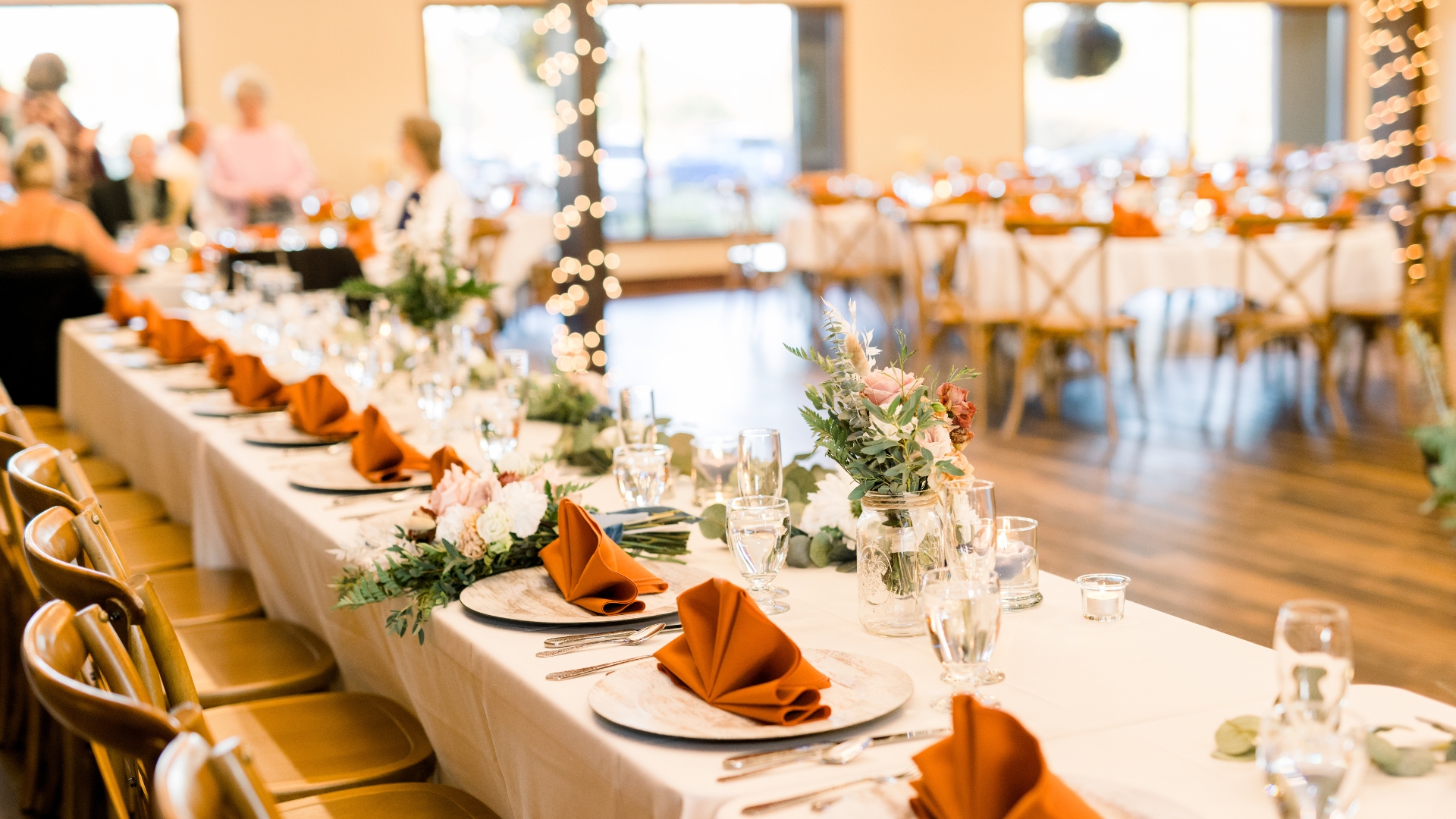
In today’s competitive world, creating a memorable experience for event attendees is more important than ever. Whether it’s a corporate conference, a wedding, or a product launch, the goal is not just to plan an event but to design an experience that leaves a lasting impression. A well-designed event goes beyond logistics; it engages emotions, fosters connections, and delivers a powerful message.
Understanding the Audience
The foundation of any memorable event lies in understanding the audience. Each decision made in the planning process should be centered on what will resonate most with attendees
- Demographics and Preferences
- Engagement
Understanding your audience’s age, interests, and expectations is critical to designing an experience that captivates them. Tailor activities, décor, and entertainment to fit their preferences.
Attendees should feel involved in the event, not just passive observers. Interactive elements such as live polling, workshops, or hands-on demonstrations can enhance engagement and ensure the event is memorable.
Creating a Strong Theme
A coherent and immersive theme ties all aspects of the event together. Whether it’s an elegant gala or a tech-focused conference, the theme should reflect the purpose of the event and be present in every detail.
- Visual Consistency
- Incorporating the Theme into Activities
From invitations to décor, maintaining a consistent visual identity helps to reinforce the theme. Use colors, logos, and design elements that are in harmony with the event’s purpose.
Beyond aesthetics, the theme should extend into the event’s activities and content. For example, a futuristic tech event might feature virtual reality experiences, while a sustainability-focused event could incorporate eco-friendly materials and practices.
Personalized Experiences
Personalization is key to making attendees feel special. Tailoring parts of the event to individual preferences can significantly enhance the overall experience.
- Personalized Invitations and Communication
- Customized Event Elements
Send personalized invitations and pre-event communications that make guests feel valued. Use their names, recognize past event attendance, or invite them to special sessions tailored to their interests.
Offer personalized experiences during the event, such as customized swag bags, personal seating arrangements, or tailored breakout sessions.
Storytelling and Emotional Impact
Events that tell a story and evoke emotion tend to stick with attendees long after they leave. Storytelling can be woven into the event’s schedule, messaging, and activities to create a powerful narrative.
- Crafting a Narrative
- Evoke Emotion
The event should have a clear beginning, middle, and end, much like a story. Start with a compelling opening—such as a keynote or introduction—that sets the tone. Build excitement throughout the event, and finish with a memorable closing that leaves a lasting impact.
Incorporating moments of surprise, joy, or inspiration can make a lasting emotional impact. Whether through powerful speeches, awe-inspiring entertainment, or intimate networking opportunities, creating emotional connections ensures the event is unforgettable.
Sensory Experiences
Memorable events engage all the senses, immersing attendees fully in the experience. From sight and sound to taste and touch, every sensory detail contributes to the overall atmosphere.
- Visual Appeal
- Sound Design
- Culinary Experiences
High-quality lighting, creative décor, and visually stunning presentations can capture attention and elevate the ambiance of the event.
Music, sound effects, and professional audio systems are crucial for setting the mood and maintaining energy levels. Ensure that the audio is well-coordinated with the flow of the event.
Food and drink play a major role in creating positive memories. Offering unique, high-quality cuisine that fits the event’s theme can enhance the overall experience.
Seamless Flow and Logistics
While the creative aspects of event design are important, ensuring a smooth and seamless event is just as critical. Memorable experiences are often underpinned by flawless execution.
- Clear Agenda and Timely Transitions
- Efficient Check-In and Navigation
A well-organized agenda keeps attendees engaged and ensures there is no confusion or downtime. Keep transitions between activities smooth and ensure attendees know what to expect.
Make sure the check-in process is easy and intuitive, whether it’s via digital registration or at the venue. Clear signage and helpful staff ensure that guests can navigate the event effortlessly.
Post-Event Follow-Up
A memorable experience doesn’t end when the event is over. The post-event follow-up can reinforce the positive emotions and connections created during the event.
- Thank You Notes
- Post-Event Surveys
Sending personalized thank-you emails or messages shows appreciation for attendees and can leave a lasting positive impression.
Collecting feedback through surveys or polls gives guests a sense of involvement and helps improve future events.
Conclusion
Designing memorable experiences is about more than just planning an event—it’s about crafting moments that resonate with attendees and leave a lasting emotional impact. By focusing on audience engagement, personalization, storytelling, and sensory experiences, event planners can create events that not only meet expectations but exceed them. Through seamless execution and attention to detail, every event can become an unforgettable experience.